

From Diagnosis to Recovery: VR’s Expanding Role in Medical Innovation
Virtual Reality (VR) is reshaping the future of healthcare by offering immersive, interactive, and highly efficient tools for diagnostics, training, and patient care. As medical technologies continue to advance, VR stands at the forefront as a groundbreaking solution with endless possibilities.
Introduction
Virtual Reality in medicine is no longer a concept of the future—it is rapidly becoming an essential part of modern healthcare. From surgical training to pain management, VR is enabling medical professionals to enhance accuracy, improve patient outcomes, and create life-changing experiences.
What Is VR Medical Technology?
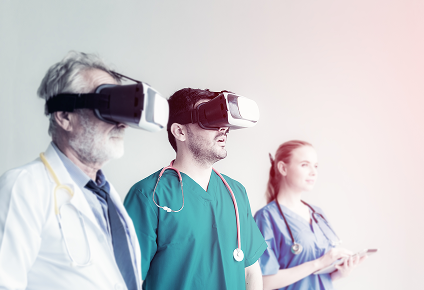
VR Medical Technology refers to the use of immersive 3D simulation environments that replicate real-world medical scenarios. Doctors, nurses, and students can interact with these virtual environments to train, diagnose, or even perform guided procedures.
Key features include:
- Real-time 3D simulations
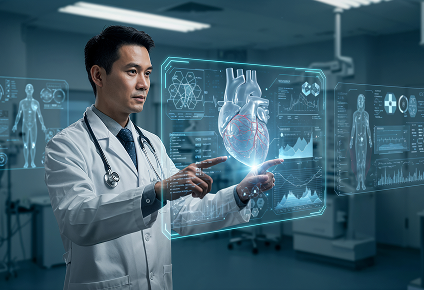
- Interactive patient models
- Risk-free virtual practice
- Remote collaboration